
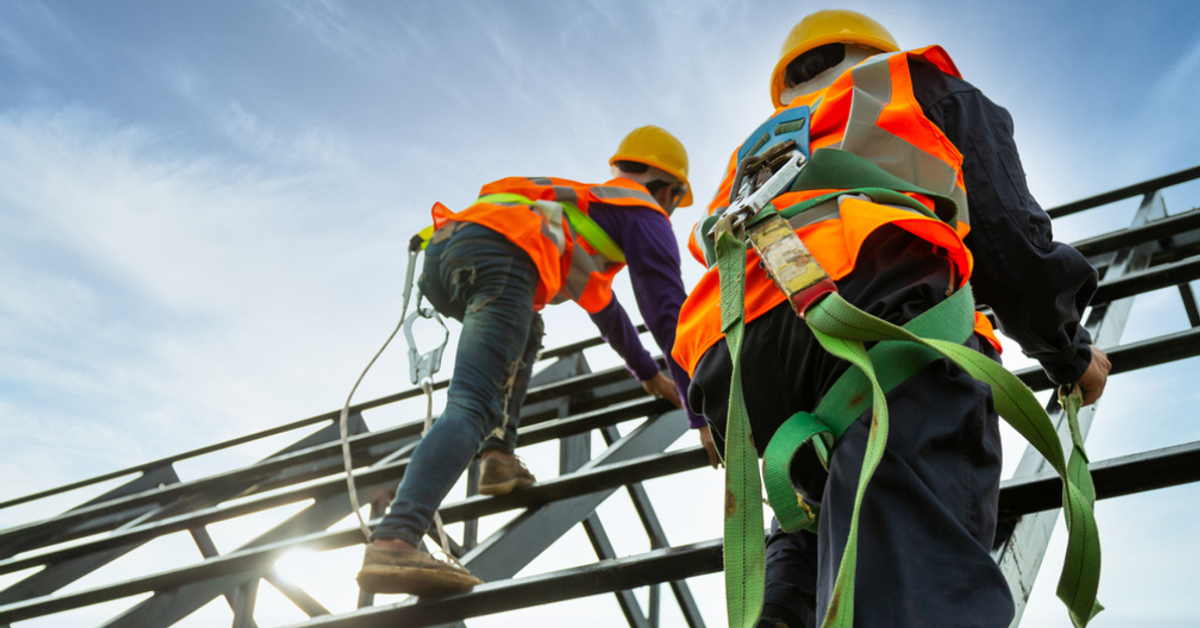
Up, Up, and Safe! Your Essential Guide to Fall Arrest Systems – Don't Be Caught Out!
Right, let's have a chat about working up high. Whether you're on a big site in Dublin, a new build down in Cork, or just sorting out the roof on the farm, getting up above ground level is part and parcel of the job. It's necessary, but let's be straight: a fall is one of the biggest risks out there.
Here at Safety First Ireland, we've been the go-to experts for 40 years—we know our stuff! We're talking quality workwear, top-class footwear, and the gear that genuinely saves lives. When it comes to falls, you can't be messing about.
This isn't just paperwork, lads; it's about making sure your team gets home safe to the family every evening. That's where the proper Fall Arrest System comes in. It's the business, and we're here to give you the clear, professional, and trustworthy rundown on exactly what you need.
Introduction to Fall Arrest Systems – The Safety Triple-A
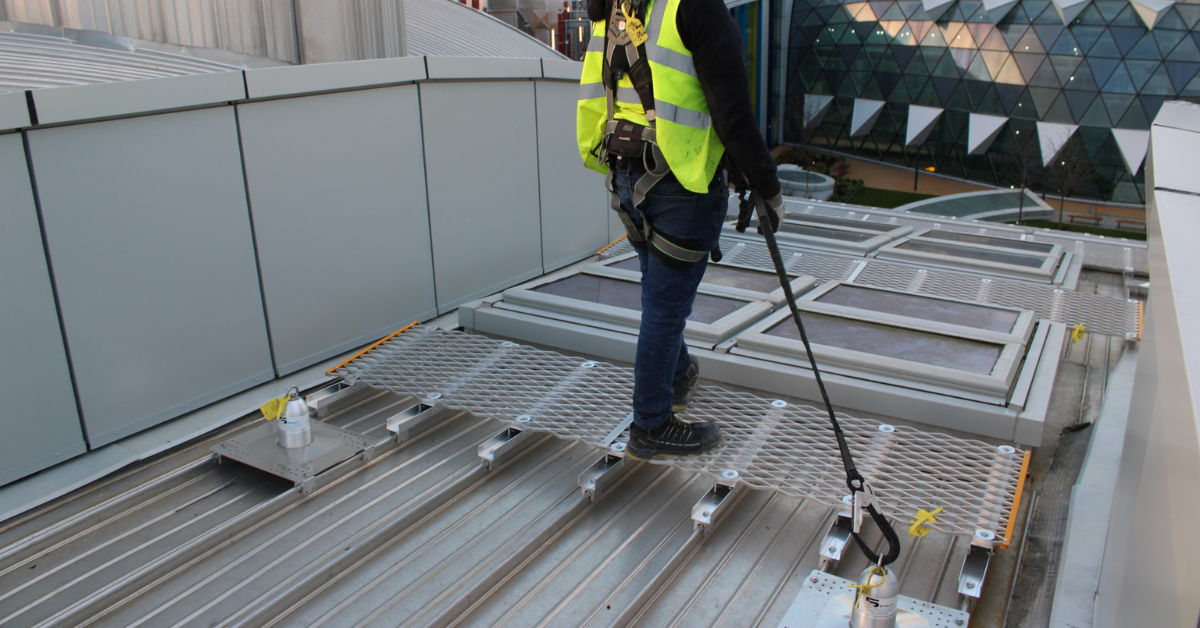
Picture a Fall Arrest System as the absolute last defence. It's not there to stop you from slipping (that's down to good housekeeping and sensible planning), but rather to safely stop you dead if you do go over, limiting the bang and keeping you from hitting the deck. It's the difference between a close shave and a disaster.
A full Personal Fall Arrest System (PFAS) has three bits you simply cannot do without—we call it the A-B-C:
- Anchorage (Solid as a rock!)
- Body Support (The Harness)
- Connecting Device (The Lanyard or SRL)
If even one of these bits is faulty or used wrong, the whole system is kaput. That's why you need quality gear you can rely on, plain and simple.
Understanding Fall Protection – Prevention is Better Than Cure
Before you buy a single harness, let's be sound and talk about prevention. The safety experts' golden rule is to always try and deal with the risk before it gets to the stage of catching a fall:
- Elimination: Can you do the work on the ground instead? (Like building that steel frame down low.)
- Prevention (Guardrails): Use passive systems like proper guardrails that don't need anyone to actively put on a harness.
- Restraint: Gear that physically stops you from even getting close to the edge.
- Arrest: The last shout—the system that catches you if all else fails.
If you can't eliminate or prevent it, then a certified fall arrest system is absolutely essential. No two ways about it.
Identifying When You're Up High
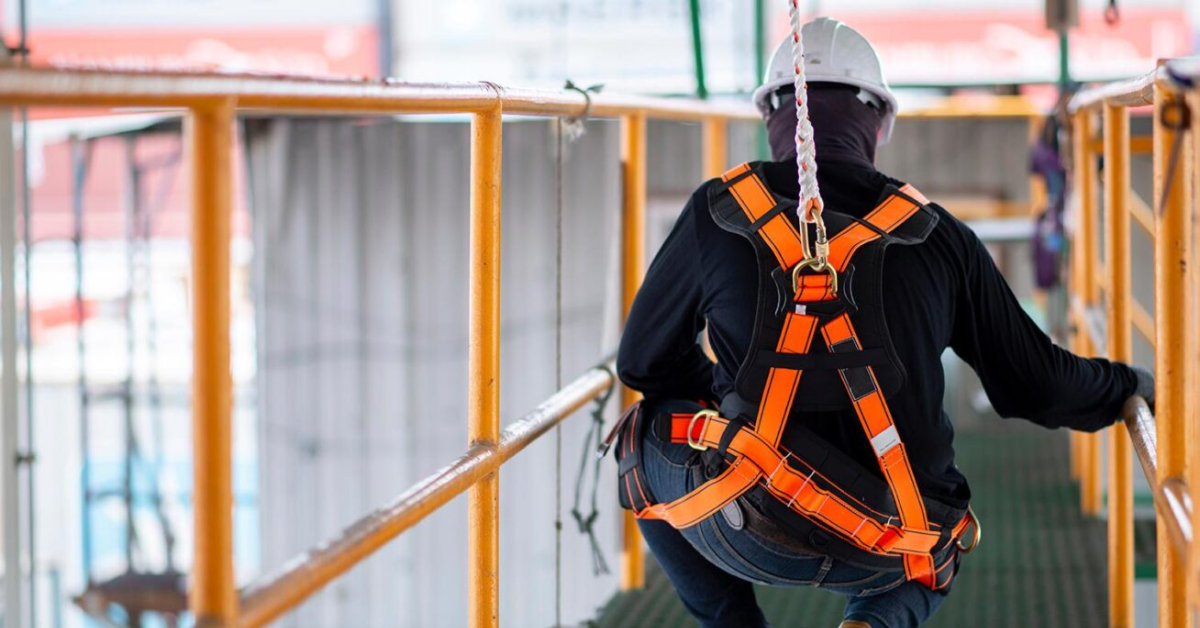
So, when do you actually need this gear? Generally, any work over two metres in height demands fall protection here in Ireland (always check the current HSA guidelines, mind you!). That means:
- Roofing work and working near edges.
- Erecting and stripping scaffolding.
- Working from those big MEWP cages (Cherry Pickers).
- Any high-level maintenance, be it in a factory or a warehouse.
If your feet are high up, you need to be thinking about your A-B-C’s. Don't be caught out!
Choosing the Right Fall Arrest Equipment – Invest Wisely
Picking the right gear isn't just another item on the shopping list; it's an absolute must for worker protection and keeping your business running smoothly. We stock proven gear from brands like 3M and JSP, so you know the quality is there.
The Crucial Decisions:
|
Component |
What to Look For |
Why It Matters |
|
Harnesses |
Multiple D-rings, comfy padding, quick-connect buckles that are easy to use. |
A good fit is key! If it's too loose, you're in bother. Always use a proper full-body harness. |
|
Lanyards |
Must have energy-absorbing (shock-absorbing) elements. Consider an SRL (Self-Retracting Lifeline) for more freedom. |
The energy absorber takes the brunt of the force off your body during a fall—it’s what saves your bacon. |
|
Anchorage |
Must be able to take a serious belt—certified to support at least 10kN (or 1,000 Kg mass). |
If the anchor point gives way, you're scuppered. Always use certified, high-strength connection points. |
We get it—you need to keep your costs sensible. That's why we help you find the best value without ever compromising on safety standards. Reliability is what we deliver.
Safety Standards and Regulations Overview – Staying Right with the Law
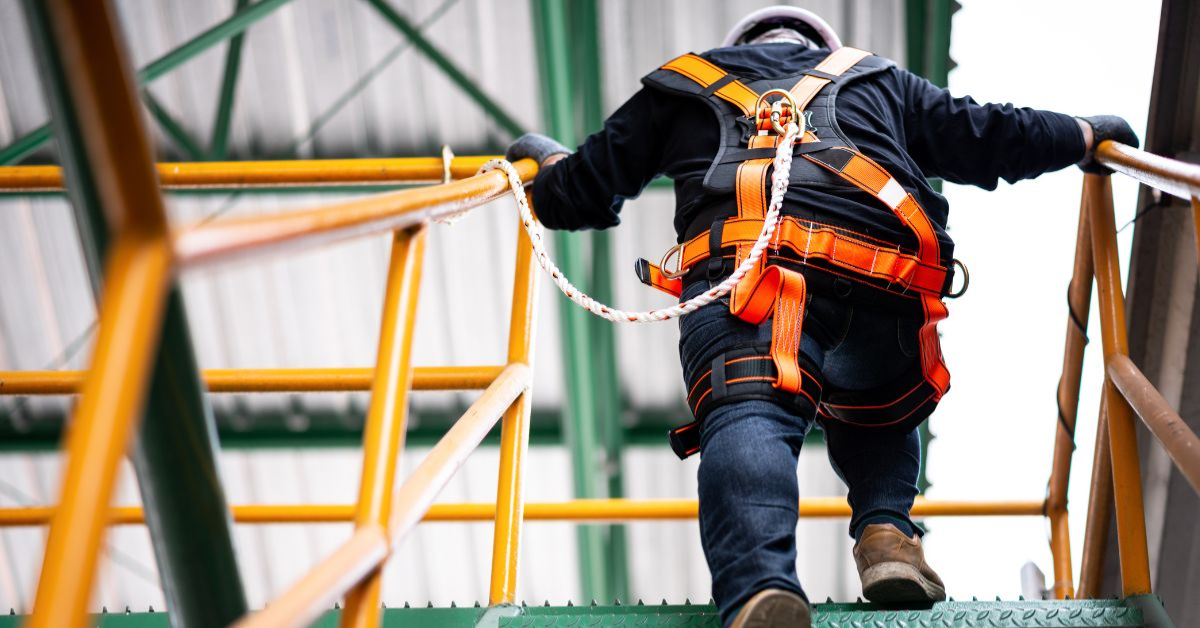
In Ireland, we abide by the Safety, Health and Welfare at Work (General Application) Regulations. It’s the law of the land!
- All your equipment must meet the relevant EN standards (e.g., EN 361 for harnesses).
- As a business owner or project manager, you’re obliged to supply equipment that is both compliant and fit for purpose.
- We are innovative and forward-thinking, constantly updating our stock so you can be confident that what you buy from us is fully certified and will keep you right with the regulations.
Training Requirements for Personnel – Don't Skip the Lesson!
The fanciest gear is useless if the lads and lassies don't know how to use it. Everyone needs proper training on:
- Spotting the Danger: Knowing when fall protection is actually needed.
- Using the Harness: Getting it on and off correctly. (It shouldn't be a struggle! If it is, they're doing it wrong.)
- How the System Works: Connecting safely, understanding the dreaded swing fall, and calculating the clearance distance.
- Rescue Plan: Knowing what to do the second a fall happens, including getting the person down quickly and safely.
Training is an ongoing thing, not just a quick course you do once!
Inspecting and Maintaining Fall Equipment – Look After Your Lifeline
You can count on us for reliable gear, but you have to look after it. This equipment is literally a lifeline, so treat it with respect.
Daily Check (Before Use):
- Check for cuts, fraying, pulled stitches, or damage to the webbing.
- Check the metal work (D-rings, buckles) for cracks or dents.
- Inspect the shock absorbers for any sign they've been deployed.
Formal Inspection:
A competent person needs to do a thorough check at least every 6 to 12 months (check the instructions for your specific gear). Crucially: If a piece of equipment has arrested a fall, it must be removed from service immediately and scrapped. It's a one-and-done job!
Common Mistakes to Avoid in Planning – Wise Up!
Even the most experienced people can trip up. Here are the simple mistakes that cause serious problems:
- Bad Anchorage: Tying off to something handy like a pipe or handrail that hasn't been certified. Don't chance it!
- Ignoring Clearance: Forgetting to calculate how much room you need underneath you to stop before you hit the ground. Massive oversight!
- Harness Mess: A loose or twisted harness will hurt you worse in a fall. Adjust it until it fits snug.
- No Rescue Plan: If someone falls, they need to be rescued fast. A pre-planned, swift rescue is absolutely essential.
Prioritising Safety in Heights Projects – Trust the Experts
Your reputation is built on reliability and professionalism. Show your customers you value your team by providing the best safety gear.
We understand your headaches—inventory, costs, and endless regulations. That's why we make it easy to source the highest quality, most compliant gear from top brands. Our friendly, clear, and customer-centric approach means you get the best advice and the gear you need, delivered quickly.
Ready to kit out your next project with the peace of mind that comes from 40 years of expertise?
🛒 Pop into our store in Limerick City or check out the website—your top-quality fall arrest solution is just a click away!
Don't miss out on industry tips and the odd bit of wit!
âž¡ï¸ Follow us on social media (Instagram, Facebook, LinkedIn)
Most Recent

Best Work Boots Ireland: Top Picks for Safety, Comfort & Durability
Read more
Best No Risk Safety Boots Ireland: Features, Protection & Comfort Explained
Read more
Need Waterproof Work Boots in Ireland for Your Team? Here’s What to Know
Read more
Why Choose Dunlop Rubber Rigger Boots for Industrial & Site Work?
Read more