

Work Boots Ireland: How to Choose the Right Pair for Your Job
Choosing the right work boots is simple when you know what matters. In Ireland we face wet weather, rough ground, and long shifts. Your boots need to protect, fit, and last. This guide explains what to look for when choosing Work Boots Ireland products that match real job needs. It uses plain language and practical advice. Read it and you’ll know how to pick the right work boots in Ireland, along with the right Safety Workwear Ireland options when needed.
Why the right work boots matter
Bad boots hurt your feet. They cause blisters, back pain and slow you down. The right boots reduce risk on site. They meet safety rules. They keep you comfortable for long shifts. For trades, farming, warehouses, or construction, work boots are not optional. They are gear.
Start with the job
First, think about your job. Different tasks need different protection.
Construction and heavy industry: choose steel toe or composite toe boots with S3 rating.
Wet or muddy work (farm, outdoor): pick waterproof boots or wellingtons like Dunlop Purofort.
Electrical work: use anti-static or insulating boots.
Slippery surfaces: get slip-resistant soles.
Long walking or standing: buy comfortable, cushioned boots with good arch support.
Match the boot to the risk. That will narrow down the options fast.
Know the safety ratings
Safety ratings matter in Ireland and across Europe. Look for EN ISO markings on the boot. These tell you the level of protection.
S1, S1P — basic protection: anti-static, energy-absorbing heel.
S2 — S1 plus water resistance.
S3 — S2 plus penetration-resistant midsole and cleated outsole. Good for construction.
PR or P — penetration resistance.
SRC — highest slip resistance rating.
If you work with heavy objects or on rough sites, aim for S3. For general workshop tasks, S1P may be enough.
Toe cap: steel vs composite
There are two common toe types.
Steel toe: very strong. Good for heavy impact. Often cheaper.
Composite toe: lighter. No metal. Better if you pass metal detectors or need insulation against cold.
Both meet safety standards. Choose what fits your job and comfort needs. Brands like Steel Blue, Rock Fall, and No Risk offer both kinds.
Sole and grip
Soles matter more than people think.
Rubber soles are common. They resist oils and chemicals.
PU (polyurethane) soles are light and cushion well.
Look for a deep tread if you walk on loose ground.
For oily floors, check SRC slip resistance.
A good sole reduces slips and helps you stay steady. If you work on ladders or smooth surfaces, prioritize slip resistance.
Waterproofing and breathability
In Ireland, waterproof boots often make sense. But waterproof materials can trap sweat.
Waterproof membranes (like Gore-Tex) keep water out and let sweat escape.
Rubber wellingtons (Dunlop Purofort) are great for boggy conditions and chemical resistance.
For long dry shifts, pick a more breathable boot to avoid sweat and blisters.
Balance waterproofing with breathability for comfort.
Fit: the most important factor
If boots don’t fit, nothing else matters. Fit affects comfort and safety.
Try boots on with the socks you wear at work.
Leave a thumb’s width at the toe. Feet swell during the day.
Walk, squat, and climb in the store if you can.
Check heel slip. A small heel lift is okay but not too much.
Replace worn insoles if needed.
Many brands have different last shapes. If Steel Blue fits your foot, another brand may feel different. Try a few.
Comfort features to look for
Comfort helps you focus on the job. Look for:
Good arch support and cushioned insoles.
Padded collars to protect the ankle.
Lightweight materials if you walk a lot.
Removable insoles for airing and replacement.
Brands such as Rock Fall and No Risk offer models with ergonomic designs. If comfort is a priority, try models labeled for long shifts or all-day wear.
Materials and durability
Tough jobs need tough boots.
Full-grain leather is durable and molds to your foot. It often lasts longer.
Split leather can be lighter but may wear faster.
Rubber is ideal for chemical resistance and wet environments.
Stitching, sole bonding, and metal parts affect durability.
If you buy from a trusted supplier like Safety First Ireland, ask about warranty and repair options.
Brands worth considering
Some brands are common in Ireland and trusted by workers:
Steel Blue — known for comfort and safety.
Rock Fall — reliable safety boots with good value.
Dunlop — famous for wellingtons and Purofort range.
No Risk — value-focused safety footwear.
SF Grippers (house brand) — made for slip resistance.
Ecco and Blaklader — options for specific needs.
Brand choice matters less than fit and specs. Still, brands give a baseline of reliability.
Buying tips
Buy from a reputable supplier with clear returns. Safety First Ireland in Limerick is an example of an Irish supplier with a wide range.
Check for EN ISO marking and certification info.
Read customer reviews for fit and durability.
Consider buying two pairs and rotating them. That extends life.
Replace boots when midsoles compress or toe protection weakens.
Care and maintenance
Caring for boots extends their life.
Clean mud and grit after use. Let boots dry naturally.
Use a shoe tree or stuff with newspaper to keep shape.
Reapply leather conditioner for full-grain leather.
Replace insoles yearly or when they wear.
Check soles and seams for damage. Repair if needed.
Good care keeps boots performing and comfortable.
Cost vs value
Work boots vary in price. Higher cost can mean better materials and comfort. But price alone doesn’t guarantee fit.
Don’t buy too cheap. Poor quality may cost more in the long run.
Shop sales or bulk deals if you buy for a team. Suppliers often give discounts for trade accounts.
Think of boots as investment in safety and health.
For employers: choosing boots for staff
If you buy for a team, standardize the spec.
Set a minimum safety rating like S3.
Choose waterproof or slip-resistant based on worksite risk.
Offer size ranges and trial pairs.
Keep a small stock of spare sizes for new hires.
Bulk buying can reduce cost. Also set a boot replacement policy for worn-out pairs.
People Also Ask (FAQ)
What are the best work boots in Ireland for wet weather?
Look for waterproof boots or rubber wellingtons. Dunlop Purofort is a solid option for boggy or chemical-prone work.
Are S3 boots necessary for construction?
S3 boots are recommended for construction because they add penetration resistance and cleated soles. They offer better protection than S1 or S2.
How should work boots fit?
Try on boots with your work socks. Leave a thumb’s width at the toe. Walk, bend, and climb to test comfort. If your heel lifts too much, try a different size or last.
How long do good work boots last?
It depends on use. With daily heavy use, a pair may last 6–12 months. Lighter use and good care can extend life to 1–2 years.
Do composite toes protect as well as steel?
Yes. Composite toes meet the same safety standards. They are lighter and don’t set off metal detectors. For heavy impact, many still prefer steel.
Quick checklist: choose the right work boots ireland
Identify job risks.
Choose the correct safety rating (S1, S2, S3).
Pick toe type (steel or composite).
Check sole type and slip rating (SRC).
Ensure waterproofing and breathability balance.
Test fit with work socks.
Buy from a trusted supplier and check returns.
Care for boots to extend life.
Final word
Choosing the right work boots in Ireland isn’t complicated. Start with the job. Check safety ratings. Try boots on. Pick what fits, protects, and feels right. Brands like Steel Blue, Rock Fall, Dunlop, and No Risk give good options. If you work long hours on wet or rough ground, focus on waterproofing and grip. If you handle heavy loads, pick S3 and a strong toe cap.
Good boots protect your feet and make work easier. Spend a little time choosing the right pair. Your feet will thank you.
Most Recent

Best Work Boots Ireland: Top Picks for Safety, Comfort & Durability
Read more
Best No Risk Safety Boots Ireland: Features, Protection & Comfort Explained
Read more
Need Waterproof Work Boots in Ireland for Your Team? Here’s What to Know
Read more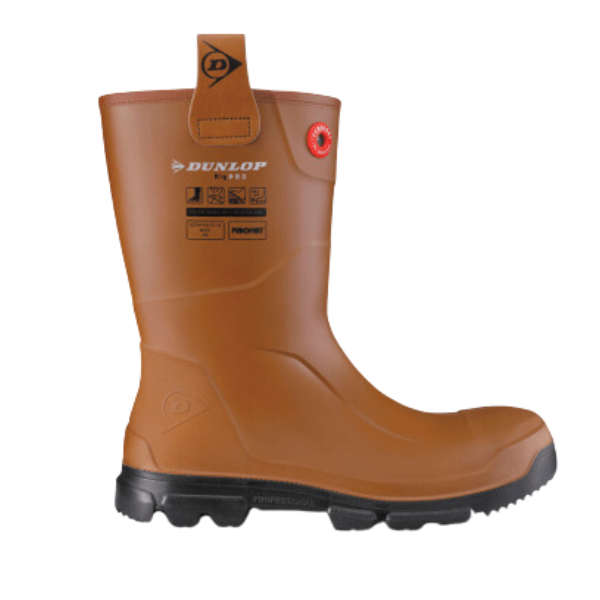
Why Choose Dunlop Rubber Rigger Boots for Industrial & Site Work?
Read more